


As the nights start to draw in, the days get a little colder and the weather starts to become a little more miserable; many people start to spend more time indoors, but not me … I’m looking out my blues and starting to plan for the season ahead, because these changes can only mean one thing … cross is coming!
I’m Lesley-Anne and I am a cyclocross commissaire. Between September and March, you will find me travelling up and down the length of the country to stand in the middle of a field or park, often getting a little bit wet and muddy! Why? Because I LOVE IT.
My journey to becoming a commissaire started back in 2020, my brother was competing in the North Cyclocross Series and happened to mention that they were a bit thin on the ground for commissaires. I had never heard of cyclocross before, let alone commissaires – which I now know are race officials – but seeing how much fun he and the other competitors were having, I thought, why not!
I went along to the next event and spoke to the chief commissaire, who promptly handed me a number board, a bell and a flag, and I have never looked back.
The training started with some self-directed learning through the British Cycling learning platform, followed by two online seminars with a British Cycling tutor, then the real fun began! I started to attend events where I learnt “on the job” the skills required of a race official.
Every single commissaire took the time to understand my learning style and then challenged and supported me to increase my knowledge and skills. It was daunting initially, especially as I was brand new to the discipline and had never been a racer, but I soon realized a lot of being a commissaire is using common sense and asking yourself two questions: “Is it safe?” and “Is it fair?”
It is also very much a team effort. Following each event, I would have a debrief with one of the commissaire team and we would complete a feedback form, I would then also complete a self-reflection. This really helped me understand where I needed to focus my efforts at the next event. After a full season of being a trainee, I submitted all my paperwork and was upgraded to a regional B cyclocross commissaire.
But what do I do? Here’s a bit of a run-down of a typical day in the life of a cyclocross commissaire. Things get started a few days before the event, I receive a copy of the race manual, and the start lists, along with information from the chief commissaire regarding where I need to be and when. I arrive on site early doors … usually around 7.30am, armed with a torch – especially after the clocks change.
The first job of the day is the course inspection, this involves walking the course with the organising team, ensuring the course complies with the regulations and is safe, making any changes as we go. The chief commissaire will also take note of any features that may need to be highlighted to riders during the start briefing. Whilst the chief commissaire attends the marshal briefing, I will either be assigned to mark up the call up and gridding area, or ensuring the pit area is correct.
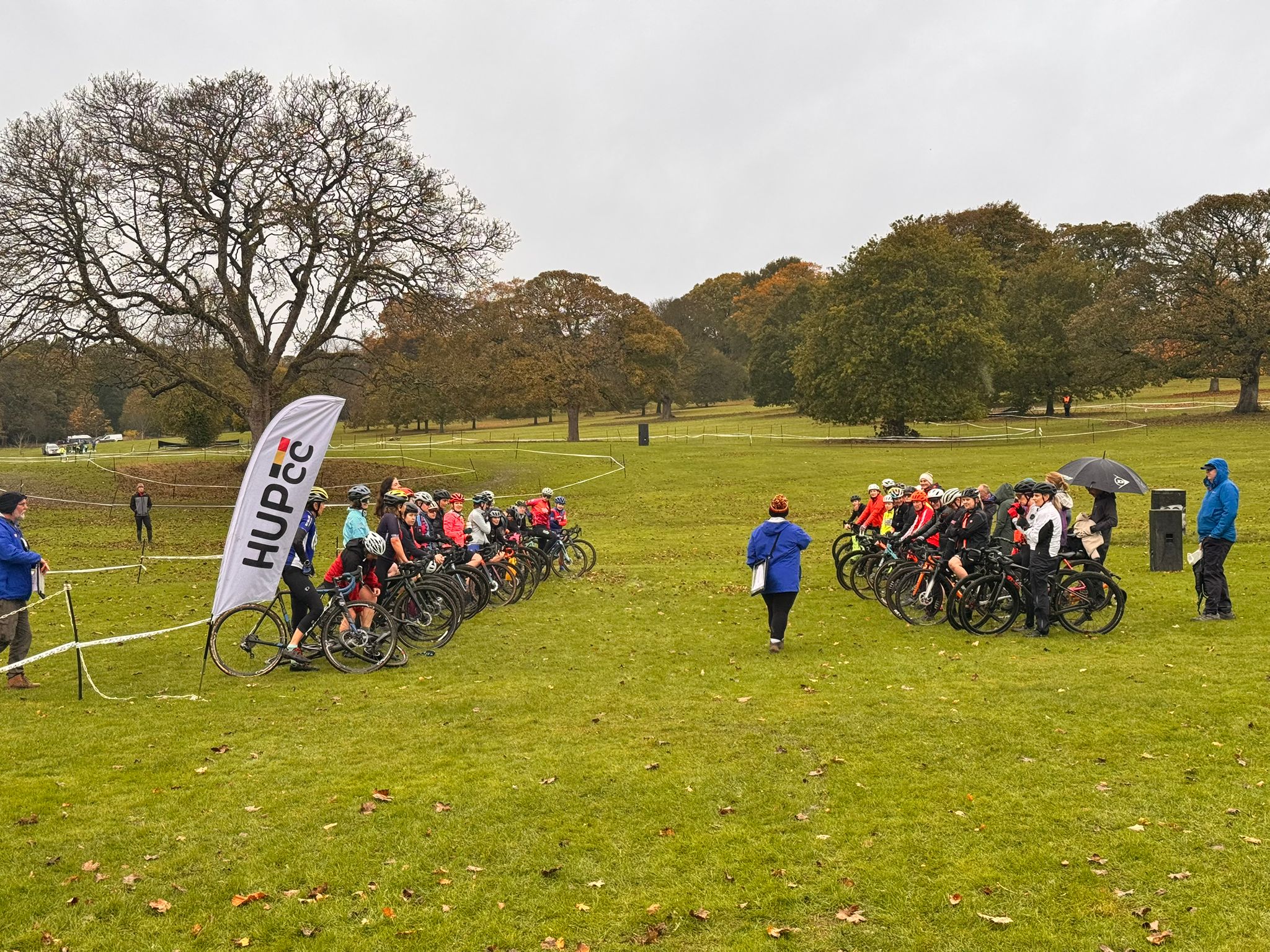
As the competition gets underway there are a few jobs I could be allocated. Generally, the whole commissaire team supports call up and gridding, this includes ensuring riders are wearing the correct kit and that their bikes are safe and compliant with the regulations. This is a good opportunity to engage with the riders, although more often than not, with my brother on the start line, I get more than a little bit of cheek!
After the whistle goes, I head for the pits or the finish line, armed with my bobble hat, gloves and hand warmers, lol! The pits can be a bit of a humdrum job, especially if there isn’t much activity. My job here is to make sure the rules and regulations are adhered to, and that everyone in the pits is kept safe. I can also feed back to the finish line commissaire where the head of the race is and if there are any issues around my area of the course.
The finish line commissaire role needs focus and concentration, it helps if you are good at mental arithmetic – if not you can use a cheat sheet like me! I time the first full lap of the race and then work out how many laps the riders will complete to fulfill their allocated race length. I need to take into consideration the weather conditions, the racing schedule and try to predict whether the lead rider is likely to produce consistent lap times throughout the whole race.
This is where teamwork comes into play, discussing with the other commissaires and getting a consensus is exceptionally valuable. Unfortunately, this is one task where commissaires can face scrutiny and criticism from riders and supporters for making races either too long or too short. This can be challenging and emotionally draining because you really do give 100%. But at the end of the day, we are all human. We make mistakes, we learn from them, and we become better commissaires!
Being a commissaire can be challenging; you are responsible for the safety of hundreds of riders and need to ensure that all those riders get fair competition. This can mean making tough decisions under pressure, decisions that not everyone likes. Sometimes it feels like you can’t do right for doing wrong, and as a volunteer that can be tough.
Overall though it really is a rewarding role, you get front row seats to watch and support people compete in a sport that they love. You get to encourage young people to develop their skills as they progress through sport, heck, you even get to meet superstars like Cameron Mason! You also get to make friends with people from all over the country. Cyclocross is one of the most friendly, inclusive and encouraging sporting environments I have ever been involved in; it truly does cater for everyone!
Thank you, Lesley-Anne, for sharing your story with us.
If you’re interested in becoming a cycling commissaire, find out more here.
To learn about funding available to support your journey, click here.
If you’d like to share your own cycling story in our monthly Scottish Cycling BlogHER feature, please email Melanie, our Women and Girls Development Manager, at [email protected].